Thorncroft Hex Font: A Deep Dive into Supernatural Typography
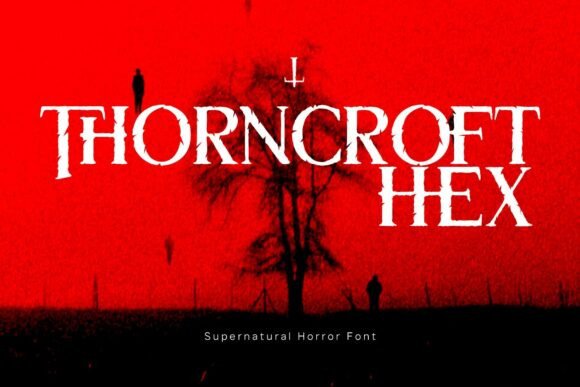
The Thorncroft Hex Font is a unique typeface that blends grunge, serif, and supernatural elements to create a visually striking and atmospheric design. Its sharp edges, textured details, and ritualistic shapes make it ideal for projects that require a mystical or eerie presence. This font is particularly suited for horror-themed media, occult symbolism, and dark fantasy branding. With its comprehensive set of uppercase and lowercase letters, ligatures, and alternate glyphs, Thorncroft Hex offers a high degree of flexibility for designers looking to explore unconventional visual narratives.
Unlike more traditional serif fonts, which often emphasize clarity and readability, Thorncroft Hex prioritizes mood and character. Each letterform is crafted to resemble an ancient carving or cursed symbol, giving the typeface a sense of history and foreboding. This makes it a compelling choice for designers working on projects that demand a strong visual identity rooted in the supernatural.
What Makes Thorncroft Hex Unique?
Thorncroft Hex stands out due to its distinctive aesthetic, which merges the rough textures of grunge with the refined structure of a serif font. The result is a typeface that feels both organic and deliberate, as if each letter was chiseled from stone by a forgotten artisan. This combination of styles gives the font a layered complexity that can enhance the atmosphere of any design.
One of the key features of Thorncroft Hex is its use of alternate glyphs and ligatures. These variations allow for greater customization, enabling designers to fine-tune the look of their text to match specific themes or moods. For instance, a designer working on a horror movie poster might choose a more jagged version of a letter to heighten the sense of danger, while another might opt for a subtler variation to maintain a sense of elegance within the darkness.
The font also comes in two formats—normal and alternate—offering additional options for visual experimentation. This flexibility makes it well-suited for a wide range of applications, from album covers to website headers, where the right typography can significantly influence the viewer's emotional response.
Comparing Thorncroft Hex to Similar Fonts
When evaluating fonts for supernatural or horror-themed projects, designers often consider alternatives such as Gothic, Blackletter, or other grunge-inspired typefaces. While these fonts share some similarities with Thorncroft Hex, they each have distinct characteristics that may make them more or less suitable depending on the project’s needs.
Gothic and Blackletter fonts, for example, are known for their ornate, medieval appearance and are often used in fantasy or historical contexts. They tend to be more intricate and less adaptable than Thorncroft Hex, which offers a balance between complexity and usability. This makes Thorncroft Hex a better fit for modern designs that still want to evoke a sense of the arcane.
Other grunge-style fonts may focus more on raw, unrefined textures, but they sometimes lack the structured elegance that Thorncroft Hex provides. This can be a tradeoff for designers who want to maintain a level of sophistication while still achieving a gritty, unsettling effect.
Best Use Cases for Thorncroft Hex
Thorncroft Hex is particularly effective in scenarios where the visual language needs to communicate mystery, danger, or ritual. Movie posters for horror films, for instance, often benefit from typography that feels ominous and otherworldly. Using Thorncroft Hex in this context can help reinforce the film’s tone and attract the target audience.
In the realm of music, especially metal or dark ambient genres, the font can add a layer of authenticity to album covers and promotional materials. Its textured appearance and sharp edges align well with the visual aesthetics commonly associated with these genres, making it a popular choice among artists and designers.
For branding in the dark fantasy or occultism space, Thorncroft Hex provides a consistent and recognizable style that can help establish a strong identity. Whether it’s for a boutique store selling mystical items or a publishing house specializing in horror literature, the font’s unique characteristics can serve as a powerful visual cue.
When Thorncroft Hex Might Not Be the Right Choice
Despite its strengths, Thorncroft Hex may not be the best option for every project. Its highly stylized nature can sometimes interfere with readability, especially at smaller sizes or in dense blocks of text. Designers should consider how the font will be used and whether its visual impact outweighs potential legibility issues.
Additionally, the font’s intense aesthetic may not align with all design goals. For projects that require a more neutral or modern look, Thorncroft Hex could feel out of place. In such cases, alternative fonts that offer a similar mood without the same level of visual intensity might be more appropriate.
It’s also worth noting that the font’s complexity may require more time and effort to implement effectively. Designers who are unfamiliar with advanced typographic techniques may need to invest additional resources to achieve the desired results.
Considering Alternatives and Complementary Tools
While Thorncroft Hex is a standout choice for many supernatural-themed projects, there are other tools and fonts that can complement or replace it depending on the specific needs of a design. For example, some designers may prefer to combine Thorncroft Hex with simpler fonts to balance its intensity and improve overall readability.
Graphic design software and typography tools can also play a role in enhancing the effectiveness of the font. Features such as kerning adjustments, custom stroke effects, and texture overlays can help refine the appearance of Thorncroft Hex and make it more versatile across different mediums.
Ultimately, the decision to use Thorncroft Hex or an alternative depends on the project’s goals, the target audience, and the designer’s creative vision. Exploring multiple options and testing them in real-world scenarios can help ensure the best possible outcome.
Conclusion: Is Thorncroft Hex Worth It?
Thorncroft Hex is a powerful tool for designers seeking to create a strong, atmospheric visual identity. Its combination of grunge, serif, and supernatural elements sets it apart from more conventional typefaces, making it an excellent choice for horror, occultism, and dark fantasy projects. However, its suitability depends on the specific requirements of the design and the intended audience.
For those who value creativity, mood, and visual storytelling, Thorncroft Hex offers a unique and compelling option. But for projects that prioritize clarity or simplicity, alternative fonts may be more appropriate. By carefully considering the strengths and limitations of the font, designers can make informed decisions that align with their creative goals and the needs of their audience.