Tangible Font: A Friendly Sans for Every Workflow
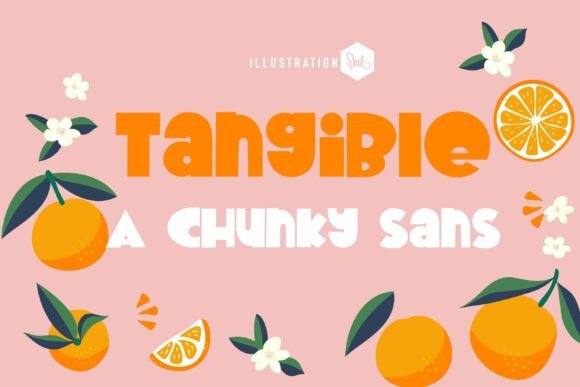
When it comes to design, the right font can make all the difference. Tangible Font is a sweet and friendly sans-serif typeface that stands out for its natural, approachable style. It’s not just a font—it’s a tool that can enhance your workflow, whether you’re working on a personal project, a business document, or a creative piece. Its versatility makes it ideal for a wide range of applications, from branding to digital content creation.
Understanding how to integrate Tangible Font into your process can help you unlock its full potential. This article explores how the font fits into different stages of work, how it interacts with other tools, and practical tips for using it effectively.
What Is Tangible Font and Why Does It Matter?
Tangible Font is more than just a visual choice—it’s a design decision that influences how your message is received. As a sans-serif typeface, it offers clean lines and a modern feel, making it easy to read in both print and digital formats. Its friendly character gives it a human touch, which can be especially valuable in projects that aim to build trust or connect with an audience on an emotional level.
The font’s unique style sets it apart from more rigid or formal typefaces. While many fonts are designed for specific use cases, Tangible Font is adaptable. It works well in headings, body text, and even UI elements, making it a go-to option for designers looking for consistency across multiple platforms.
Using Tangible Font in Different Workflows
Tangible Font can be integrated at various stages of a project, from planning to execution. Whether you're designing a website, creating marketing materials, or developing a brand identity, this font can support your goals.
Before a Project: When starting a new design or writing task, choosing the right font is part of the preparation phase. Tangible Font can be a strong candidate if you want to convey a sense of warmth and accessibility. Consider how it aligns with your overall design vision and target audience before finalizing your choice.
During a Project: Once you’re in the middle of a task, having a consistent font like Tangible Font can streamline your workflow. It reduces the need to switch between multiple typefaces, helping maintain visual harmony. This is especially useful when working on multi-page documents, websites, or social media content.
After a Project: Even after completing a project, the font choice can impact long-term usability. If you’re updating content or revising designs, Tangible Font’s readability and friendliness ensure that your work remains accessible and engaging over time.
How Tangible Font Integrates with Other Tools and Methods
Tangible Font isn’t an isolated element—it works alongside other design tools, software, and processes. Understanding these interactions can help you maximize its effectiveness.
When using design platforms like Adobe Creative Suite, Figma, or Canva, Tangible Font can be easily imported and applied. These tools often allow for custom font integration, making it simple to apply the font across different files and projects. This compatibility ensures that your design remains consistent, regardless of where it’s used.
In writing and content creation, Tangible Font can be paired with other typography choices. For example, using it as a heading font while pairing it with a more neutral body font can create a balanced look. This approach helps guide the reader’s attention without overwhelming them with too much visual variation.
Collaboration is another area where Tangible Font can shine. When working with teams, having a shared font library ensures that everyone is on the same page. This reduces confusion and streamlines the review and editing process.
Practical Implementation Tips
Implementing Tangible Font doesn’t have to be complicated. Here are a few tips to help you get started:
- Test it in context: Before committing to a font, test it in different environments. See how it looks on screens, in print, and with various background colors. This helps ensure it meets your needs across all platforms.
- Use it consistently: Apply Tangible Font to key elements such as headers, buttons, and call-to-action sections. Consistency helps reinforce your brand’s identity and improves user experience.
- Pair it wisely: While Tangible Font is versatile, it may not pair well with every other font. Experiment with combinations to find what works best for your design.
- Consider accessibility: Ensure that the font size and spacing are appropriate for all users. Readability is crucial, especially for those with visual impairments.
Real-World Use Cases for Tangible Font
Tangible Font has found a place in a variety of real-world scenarios. Here are a few examples of how it can be used effectively:
- Branding: Businesses looking to create a warm and approachable image can use Tangible Font in logos, taglines, and promotional materials. It adds a personal touch that resonates with customers.
- Marketing Materials: From email newsletters to social media posts, Tangible Font can help create a cohesive brand voice. Its friendly appearance makes it ideal for campaigns that aim to engage and inspire.
- Web Design: As a web font, Tangible Font can be used to enhance user experience. It’s particularly effective for landing pages, blog posts, and product descriptions where clarity and approachability matter.
- Education and Training: In educational content, Tangible Font can make information more digestible. It’s a great choice for e-learning modules, presentations, and instructional materials.
Long-Term Use and Maintenance
Once you’ve incorporated Tangible Font into your workflow, maintaining its quality and relevance is important. Regularly review how it performs across different mediums and update your usage as needed.
Staying up-to-date with font updates and platform compatibility ensures that your work remains functional and visually appealing. If you’re using Tangible Font in a professional setting, consider documenting its usage so that others on your team can follow suit.
Over time, you may also want to evaluate whether the font still meets your evolving needs. As your projects grow and change, your design choices should reflect that growth.
Conclusion: Embracing Tangible Font in Your Process
Tangible Font is more than just a stylistic choice—it’s a practical tool that can enhance your workflow and improve the quality of your output. By understanding how it fits into different stages of your work, how it interacts with other tools, and how to implement it effectively, you can unlock its full potential.
Whether you’re a designer, writer, marketer, or business owner, Tangible Font offers a friendly and adaptable solution that can support your goals. With the right approach, it can become a valuable part of your creative and professional toolkit.