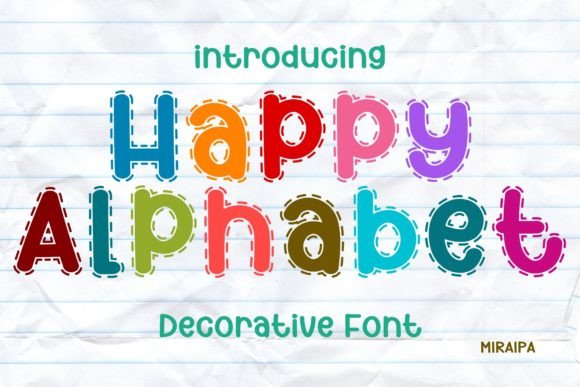
Happy Alphabet Font: A Versatile Tool for Creative Expression
If you're looking for a font that adds a touch of warmth and personality to your designs, the Happy Alphabet Font is a standout choice. This friendly and lovely decorative font isn't just about aesthetics—it's about creating a connection with your audience through visual storytelling.
What Makes Happy Alphabet Font Unique
The Happy Alphabet Font is designed with a soft, approachable feel that makes it ideal for projects where a human touch matters. Unlike more rigid or formal fonts, this one brings a sense of playfulness and positivity. It's perfect for anything from branding to personal notes, as it can make even the most mundane text feel more engaging.
One of the key features of this font is its balance between creativity and readability. While it has a decorative edge, it doesn't sacrifice clarity. This means you can use it in a variety of contexts without worrying about legibility issues.
Real-World Applications of Happy Alphabet Font
Whether you're a designer, a small business owner, or someone who loves to personalize their work, the Happy Alphabet Font has practical uses across different industries. Let's explore some scenarios where it shines.
Branding and Logo Design
For businesses aiming to build a warm and inviting brand identity, the Happy Alphabet Font can be a game-changer. It works well for logos, especially for companies in the wellness, education, or lifestyle sectors. Think of a yoga studio, a children's book publisher, or a boutique café—each could benefit from a font that feels welcoming and approachable.
Using this font in your logo can help convey a sense of trust and friendliness, which are essential for building customer relationships. It also stands out in a market where many brands rely on more traditional typefaces.
Marketing Materials and Social Media
When it comes to marketing, the right font can make a big difference in how your message is received. The Happy Alphabet Font is excellent for social media posts, email newsletters, and promotional banners. Its playful style can catch attention and make your content more shareable.
For example, a local bakery might use this font for a seasonal promotion, adding a personal touch that resonates with customers. Similarly, a fitness coach could use it in a motivational post to create a more relatable and encouraging tone.
Personal Projects and Handmade Goods
Artists, crafters, and DIY enthusiasts often look for fonts that add character to their work. The Happy Alphabet Font is a great fit for handmade cards, custom t-shirts, or personalized gifts. Its unique style allows for creative expression without being too overwhelming.
Imagine a wedding invitation that uses this font to add a whimsical yet elegant touch. Or a handmade greeting card with a heartfelt message that feels more personal because of the font choice. These small details can make a big impact.
Who Benefits From Using Happy Alphabet Font
The versatility of the Happy Alphabet Font means it can appeal to a wide range of users. Here's how different individuals and organizations might find value in it:
- Graphic designers: For creating visuals that require a friendly and expressive tone.
- Small business owners: To build a brand that feels authentic and connected to their audience.
- Teachers and educators: For lesson plans, classroom materials, or student projects that need a creative flair.
- Content creators: To enhance blog posts, YouTube thumbnails, or social media content with a distinctive visual style.
Each of these groups can leverage the font to add a unique element to their work, making it stand out in a crowded space.
Considerations Before Using Happy Alphabet Font
While the Happy Alphabet Font is highly versatile, there are a few things to keep in mind before incorporating it into your projects. First, consider the context. This font may not be suitable for formal documents or professional presentations where a more traditional typeface is expected.
Also, think about the size and spacing. Because it's a decorative font, it may require adjustments in layout to ensure it looks clean and readable. Testing it in different formats—such as print versus digital—can help you understand how it performs in various environments.
Finally, always check licensing terms. Some fonts come with restrictions on commercial use, so it's important to verify that you're using the Happy Alphabet Font correctly for your specific needs.
When to Avoid Happy Alphabet Font
There are situations where the Happy Alphabet Font may not be the best choice. For instance, if you're working on a project that requires a high level of professionalism or a minimalist aesthetic, this font could feel out of place. It's also less effective in large blocks of text, where its decorative elements might interfere with readability.
In such cases, it's better to opt for a more neutral or structured font. However, even in those scenarios, the Happy Alphabet Font can still be used effectively in smaller, highlighted sections, such as headings or call-out text.
Conclusion
The Happy Alphabet Font is more than just a stylish choice—it's a tool that can enhance communication and creativity in meaningful ways. Whether you're designing a logo, crafting marketing content, or adding a personal touch to your work, this font offers a unique blend of charm and functionality.